

This simple roasted Kabocha squash is a tender, flavorful side dish that pairs well with almost any meal. It costs $4.40 for the entire recipe, or about $1.10 per serving, and it’s ready in 43 minutes.
Kabocha squash has a naturally sweet, slightly nutty flavor and a texture similar to a sweet potato. Roasting caramelizes the natural sugars and makes the interior tender.
What this costs
These are estimated costs based on typical U.S. supermarket store-brand prices in September 2026. Prices vary by store and region, so treat them as a guide.
| Ingredient | Amount used | Pack size | Pack price | Recipe cost |
|---|---|---|---|---|
| Kabocha squash | 2.5 pounds | 2.5 lb squash | $3.75 | $3.75 |
| Olive oil | 3 tablespoons | 16 oz bottle | $6.00 | $0.56 |
| Garlic powder | 0.5 tablespoon | 3 oz jar | $2.50 | $0.07 |
| Sea salt | 0.75 teaspoon | 26 oz container | $2.00 | $0.01 |
| Black pepper | 0.25 teaspoon | 4 oz container | $3.00 | $0.01 |
| Total recipe cost | $4.40 | |||
| Cost per serving | 4 servings | $1.10 |
Ingredient cost = pack price ÷ pack quantity × amount used. Cost per serving = total recipe cost ÷ servings. Totals add the rounded line items shown; amounts below $0.01 are excluded. Produce sizes and spoon-to-weight conversions are estimates.
Ingredient Notes and Cheaper Swaps
Kabocha Squash
Look for a squash that feels heavy for its size and has a dull, not shiny, skin; a shiny skin can indicate it was picked too early. If Kabocha is out of season or unavailable, substitute acorn squash or butternut squash, though cooking times may vary slightly.
Olive Oil
You don’t need expensive extra virgin olive oil for roasting; regular olive oil or vegetable oil works fine. Store-brand olive oil or canola oil are budget-friendly choices.
Garlic Powder
Garlic powder is optional. If you don’t have it, use a pinch of onion powder or simply omit it. Fresh minced garlic can burn during roasting; tossing it with the squash halfway through cooking helps prevent this.
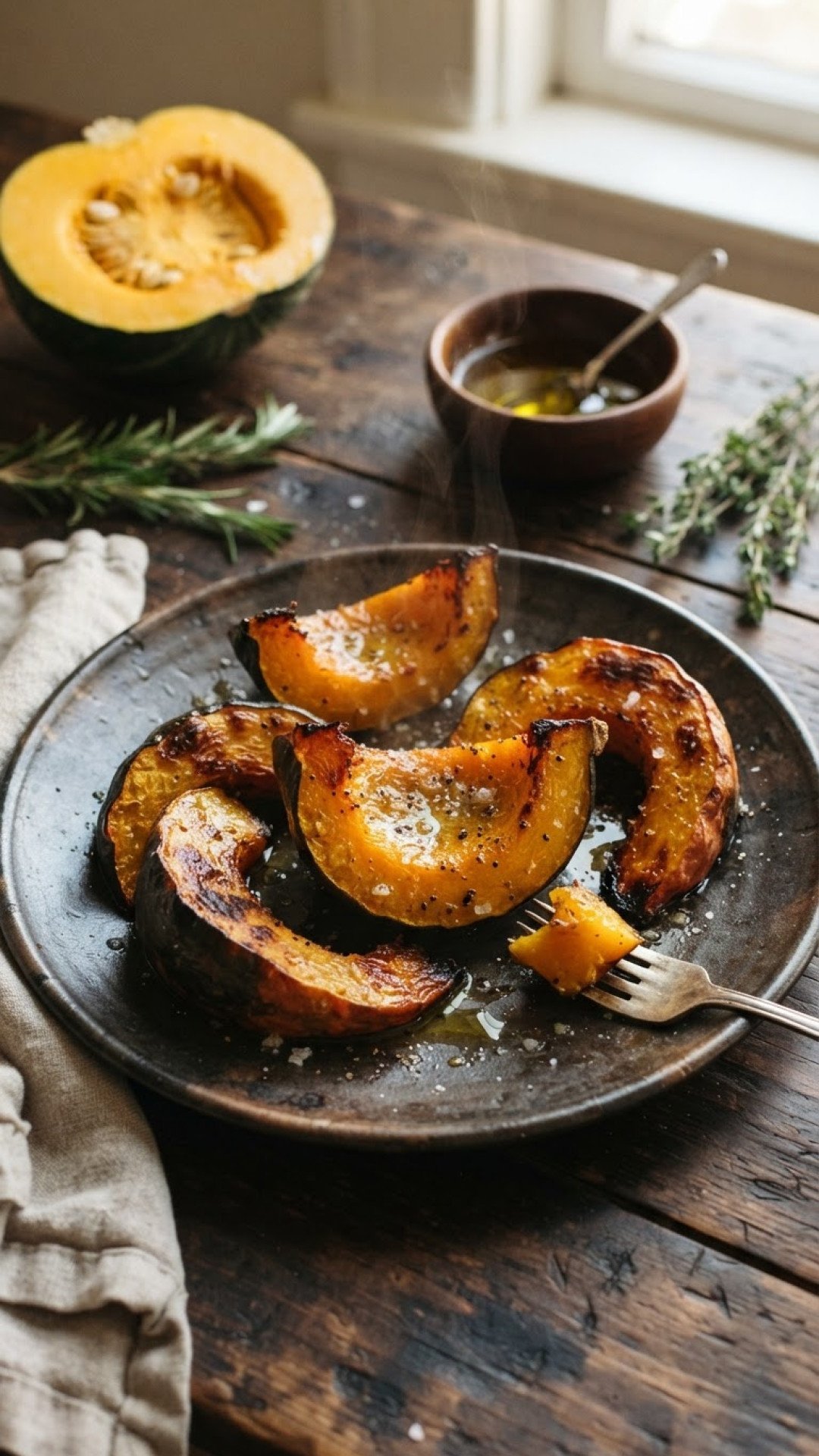
How to Make Roasted Kabocha Squash Step by Step
Preheat the oven. Line a baking sheet with parchment paper for easy cleanup, or lightly oil a bare pan so the squash doesn’t stick.
Kabocha squash can be tough to cut, so use a sharp, sturdy knife. Trim off the top and bottom, slice it in half from stem to tip, and scoop out the seeds and stringy bits. Place each half flat-side down and slice it into 1-inch thick wedges, keeping the pieces uniform so they cook evenly.
Arrange the wedges in a single layer on the baking sheet, not touching, so air can circulate. Drizzle with olive oil, sprinkle with salt, pepper, and the optional garlic powder, and toss gently to coat.
Roast for 25-30 minutes, flipping the pieces halfway through, until the squash is easily pierced with a fork and the edges are browned and slightly caramelized.
For full ingredient quantities and detailed instructions, please refer to the recipe card below.
Tips for the Best Results
- Don’t Overcrowd the Pan: If the pieces are too close, they steam instead of roast and turn soggy. Use two baking sheets if necessary.
- Season Generously: Proper seasoning with salt and pepper enhances the natural sweetness of the squash.
- Check for Doneness: The squash is ready when it’s fork-tender with browned spots, so check it rather than relying only on the clock.
Storing, Freezing and Reheating
Leftover roasted Kabocha squash keeps in an airtight container in the refrigerator for 3 to 4 days. Refrigerate it within two hours of cooking.
Freezing roasted squash is not recommended, as the texture can become mushy upon thawing.
To reheat, warm the squash on a baking sheet in a 350°F (175°C) oven for 10-15 minutes. The microwave also works, but the oven restores more of the roasted texture. For storage, consider using Basics Glass Food Storage containers.
Serving Ideas and Variations
- Simple Side Dish: Serve alongside roasted chicken, pork chops, or baked fish.
- Salad Topping: Add cooled roasted squash to a green salad with a light vinaigrette.
- Grain Bowl Addition: Toss with quinoa or brown rice, chickpeas, and a drizzle of tahini dressing for a vegetarian bowl.
- Soup Enhancer: Blend leftover roasted squash into a creamy soup.
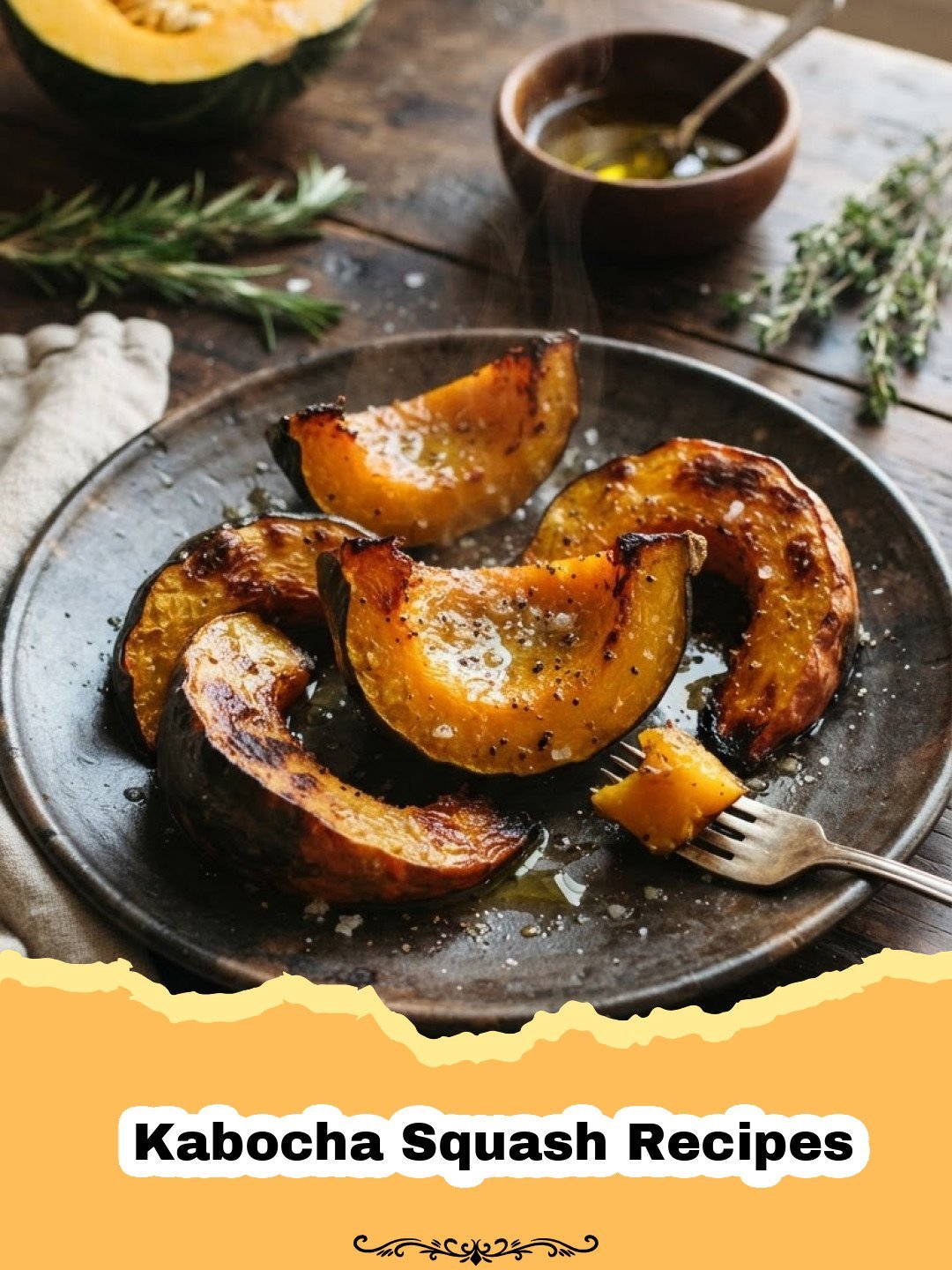
Roasted Kabocha Squash
Ingredients
Equipment
Method
- Preheat your oven to 425 degrees F (218 degrees C). Line a large baking sheet with parchment paper for easy cleanup, or lightly oil a bare baking sheet.
- Carefully cut off the top and bottom ends of the Kabocha squash.
- Cut the squash in half from the stem to the blossom end, then use a spoon to scoop out all the seeds and stringy pulp.
- Place one squash half flat-side down on a cutting board, then slice it downward into 1-inch thick wedges. Repeat with the remaining squash half.
- Arrange the squash wedges in a single layer on the prepared baking sheet, ensuring they do not touch each other to allow for even roasting.
- Drizzle the squash with olive oil, then sprinkle evenly with garlic powder (if using), sea salt, and black pepper. Toss gently to coat all the pieces.
- Roast in the preheated oven for 25-30 minutes, flipping the squash pieces halfway through the cooking time, until they are tender and the edges are beautifully browned and slightly caramelized.
Notes
Frequently Asked Questions
Do I need to peel Kabocha squash before roasting?
No, you do not need to peel Kabocha squash. The skin is thin and becomes tender when roasted, making it edible and adding extra nutrients and fiber. Just be sure to wash it thoroughly before cutting.
What if I can’t find Kabocha squash?
If Kabocha squash is unavailable, you can substitute with other winter squashes like acorn squash or butternut squash. The cooking times may vary slightly, so keep an eye on them until they are fork-tender.
Can I make this recipe ahead of time?
You can prep the squash by cutting and deseeding it a day in advance, storing the raw pieces in an airtight container in the refrigerator. However, for the best taste and texture, it’s recommended to roast the squash just before serving.
How can I make this roasted squash spicier?
To add a spicy kick, you can sprinkle a pinch of red pepper flakes along with the salt, pepper, and garlic powder before roasting. You can also add a dash of cayenne pepper for more intense heat.
Leave a Reply