

This homemade fruit shrub concentrate is one of the simplest Shrub Drink Recipes. The batch costs $4.63, or an estimated $0.29 per serving excluding soda and garnishes. Active prep time is 15 minutes, though the flavors need time to meld.
A shrub, also known as a drinking vinegar, is a concentrated syrup made from fruit, sugar, and vinegar. Its sweet, tart, and fruity flavor works with sparkling water, in cocktails, or in salad dressings. Making it at home lets you control the ingredients and costs less than store-bought options.
What this costs
These are estimated costs based on typical U.S. supermarket store-brand prices in September 2026. Prices vary by store and region, so treat them as a guide.
| Ingredient | Amount used | Pack size | Pack price | Recipe cost |
|---|---|---|---|---|
| Fresh berries | 12 oz | 12 oz package | $3.50 | $3.50 |
| Granulated sugar | 1 1/2 cups | 4 lb bag | $3.00 | $0.50 |
| Apple cider vinegar | 1 cup | 32 oz bottle | $2.50 | $0.63 |
| Total recipe cost | $4.63 | |||
| Cost per serving | 16 servings | $0.29 |
Costing note: This table costs the shrub concentrate only. Club soda, ice and optional garnishes for individual drinks are additional.
Ingredient cost = pack price ÷ pack quantity × amount used. Cost per serving = total recipe cost ÷ servings. Totals add the rounded line items shown; amounts below $0.01 are excluded. Produce sizes and spoon-to-weight conversions are estimates.
Ingredient notes and cheaper swaps
Berries
Use 12 ounces of fresh berries, such as raspberries, blackberries, blueberries, or strawberries. In-season berries are typically more affordable; look for sales at your local grocery store or farmers market. Out of season, frozen berries are an often cheaper alternative and don’t need to be thawed. Use ripe, flavorful berries, fresh or frozen, for the best taste; you can also mix different types.
Sugar
You’ll need about 1½ cups (300 grams) of granulated sugar; adjust slightly to your preference or the sweetness of your berries. Large bags are often sold at a low price, which suits this recipe and other sweet treats like these Nutty Fruit Crumble Bars. Brown sugar works but adds a molasses note; plain granulated sugar is more cost-effective and keeps the berry flavor clean.
Vinegar
Vinegar gives the shrub its tangy flavor and acts as a preservative. You’ll need 1 cup. Apple cider vinegar offers a mild, fruity tang; white wine or red wine vinegar give a slightly sharper or more robust flavor, respectively; unseasoned rice vinegar tastes very clean; and white balsamic offers a sweeter, milder acidity. Avoid distilled white vinegar, as its harshness can overpower the berries. Store brands are often just as good as name brands here.
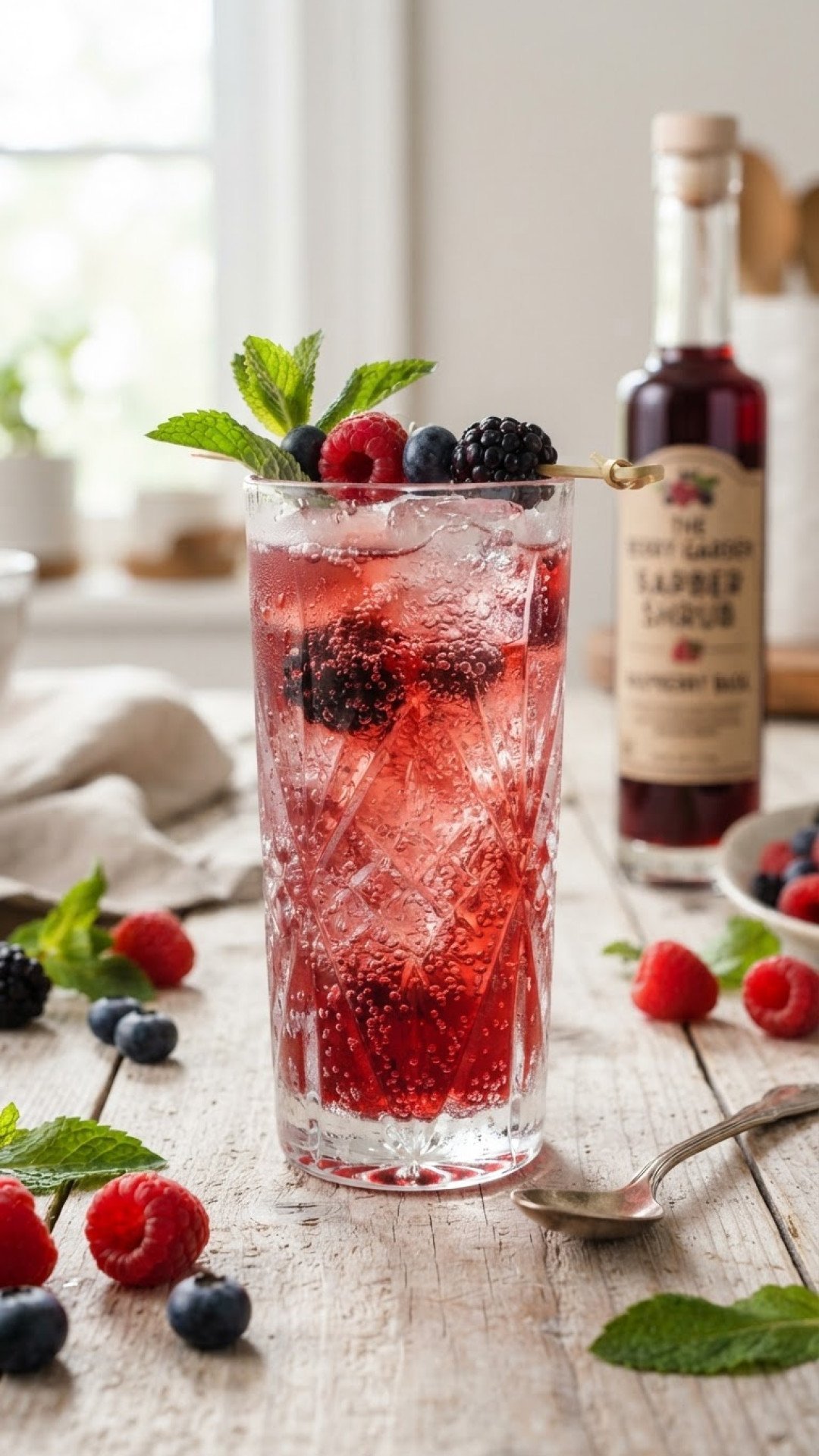
How to Make Berry Shrub Concentrate Step by Step
The sugar first draws out the berry juices, then the vinegar is added and the mixture is left to infuse.
Rinse fresh berries, pat them dry, and slice or quarter large ones so they release their juices more easily. Frozen berries can go in straight from the freezer. Combine the berries with the sugar in a clean, non-reactive bowl or the 1-quart glass jar and stir gently until coated. This initial step is called maceration.
Cover and let the mixture sit at room temperature for at least 24 hours, or up to 48 hours, stirring once or twice so the sugar fully dissolves. The berries will soften and a good amount of syrup will form at the bottom.
Pour the vinegar over the berry-sugar mixture, stir well, cover again and refrigerate for another 24 hours. Some recipes suggest infusing in the fridge for up to a week for a deeper flavor, but 24 hours is sufficient to start.
Strain through a fine-mesh sieve set over a clean bowl or pitcher, lined with cheesecloth for a clearer shrub if you have it. Let it drain naturally without pressing on the solids. Discard the solids and pour the concentrate into a clean bottle or jar. For full quantities and steps, refer to the recipe card below.
Tips for the best results
- Don’t Rush Maceration: Giving the berries and sugar the full 24-48 hours extracts the most juice and flavor from the fruit.
- Use Quality Vinegar: Choose a vinegar with a flavor you enjoy; apple cider, white wine, or unseasoned rice vinegar won’t overpower the fruit.
- Strain Gently: Pressing the berry solids can introduce pectin and cloudiness, so let gravity do the work.
- Taste and Adjust: Taste the strained shrub. If it’s too tart, stir in a little more sugar until dissolved; if it’s too sweet, add a tiny splash more vinegar.
Storing, freezing and reheating
Store the strained concentrate in a clean, airtight bottle or jar in the refrigerator. It typically lasts 3 to 4 weeks, or longer depending on the acidity of the vinegar and the sugar content. Check for any signs of mold or off-smells before using.
The concentrate is not typically frozen, as the texture can change upon thawing. There’s no need to reheat it; serve shrub drinks cold.
Serving ideas and variations
- Classic Shrub Soda: Mix 1-2 tablespoons with 6-8 ounces of cold club soda or sparkling water over ice, and garnish with fresh berries or a sprig of mint.
- Cocktail Mixer: It pairs with gin, vodka, or bourbon; try it in place of simple syrup in a gin fizz or a whiskey sour.
- Mocktails: Combine shrub with ginger ale, tonic water, or iced tea. Consider trying it with other homemade drinks like this Homemade Horchata Latte Recipe or a Budget-Friendly Iced Pecan Crunch Latte.
- Salad Dressing Base: Whisk a tablespoon or two of shrub with olive oil, a pinch of salt, and pepper for a tangy vinaigrette.
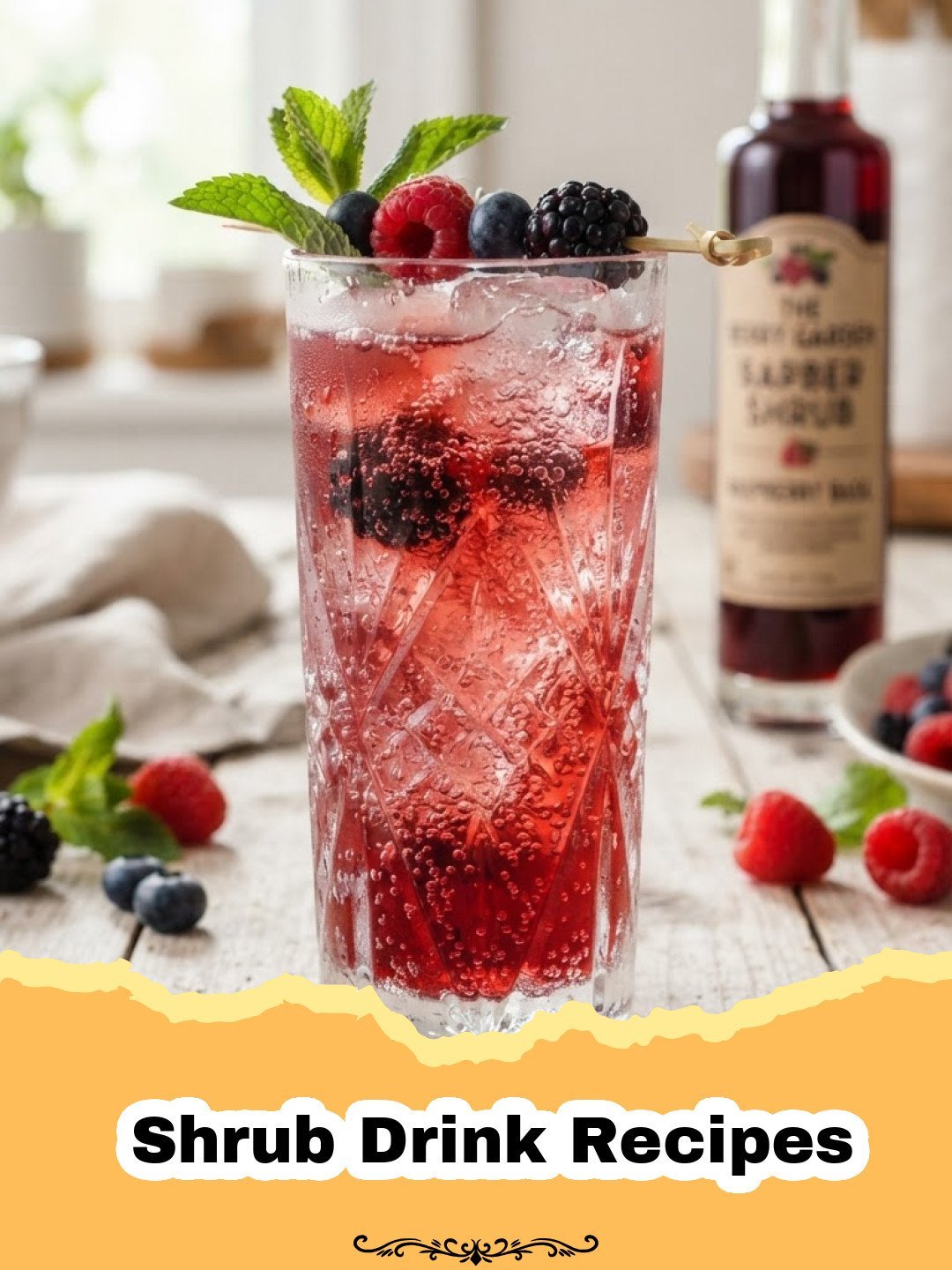
Berry Shrub Concentrate
Ingredients
Equipment
Method
- Rinse fresh berries and pat dry; slice or quarter any large berries. If using frozen berries, no thawing is needed.
- In a 1-quart glass jar with a lid, combine the prepared berries and granulated sugar. Stir gently to coat the berries evenly.
- Cover the jar and let the mixture sit at room temperature for 24 to 48 hours, stirring occasionally, until the sugar has dissolved and the berries have released their juices.
- Pour the vinegar into the jar with the berry-sugar mixture and stir well to combine.
- Cover the jar and refrigerate for another 24 hours to allow the flavors to meld and infuse.
- Place a fine-mesh sieve over a clean bowl or pitcher. If desired, line the sieve with cheesecloth for a clearer shrub.
- Pour the shrub mixture into the sieve and allow it to drain completely, without pressing on the solids, until all the liquid is collected.
- Discard the berry solids. Transfer the finished shrub concentrate to a clean, airtight bottle or jar and store it in the refrigerator.
- To serve, mix 1 to 2 tablespoons of shrub concentrate with 6 to 8 ounces of cold club soda or sparkling water over ice.
- Garnish with fresh berries or a sprig of your favorite herb, such as mint or basil, if desired.
Notes
Frequently Asked Questions
What kind of berries can I use for shrub?
You can use a variety of fresh or frozen berries for your shrub, such as raspberries, blackberries, blueberries, or strawberries. Ripe, flavorful berries will yield the best results, and you can even combine different types for a unique blend.
How long does homemade shrub concentrate last?
Homemade berry shrub concentrate, stored in an airtight container in the refrigerator, typically lasts for 3 to 4 weeks. The vinegar acts as a natural preservative, extending its shelf life.
Can I use other types of vinegar in shrub recipes?
Yes, you can experiment with different vinegars. Apple cider vinegar, white wine vinegar, red wine vinegar, unseasoned rice vinegar, or even white balsamic vinegar all work well, each imparting a slightly different flavor profile to your shrub.
What are some ways to use shrub concentrate?
Shrub concentrate is incredibly versatile! It’s delicious mixed with club soda or sparkling water, used as a mixer in cocktails or mocktails, whisked into salad dressings, or even added to marinades for meat.
Do I need to cook the berries for shrub?
No, this recipe uses a ‘cold process’ method where the sugar draws out the berry juices without heat. This helps preserve the fresh, vibrant flavor of the fruit, though some shrub recipes do involve a brief cooking step.
Leave a Reply