

This recipe turns an inexpensive pork shoulder into a tender roast that’s versatile enough for many meals. It costs $26.51 in total, or $1.66 per serving, and needs minimal hands-on time, though it takes about 8 hours and 35 minutes from start to finish.
The low and slow cooking breaks down tough connective tissues, leaving meat so tender it practically falls off the bone. When a long roast does not fit your dinner plans, choose air fryer pork cutlets for a different pork supper.
What this costs
These are estimated costs based on typical U.S. supermarket store-brand prices in September 2026. Prices vary by store and region, so treat them as a guide.
| Ingredient | Amount used | Pack size | Pack price | Recipe cost |
|---|---|---|---|---|
| Pork Shoulder, bone-in | 10 lb | 10 lb roast | $19.90 | $19.90 |
| Garlic | 8 cloves | 1 large bulb | $1.50 | $1.50 |
| Salt | 1 tablespoon | 26 oz container | $1.00 | $0.02 |
| Black Pepper | 1 1/2 teaspoons | 4 oz container | $3.00 | $0.05 |
| Dried Thyme | 1 tablespoon | 0.75 oz jar | $2.50 | $0.20 |
| Dried Oregano | 1 tablespoon | 0.75 oz jar | $2.50 | $0.20 |
| Olive Oil | 4 tablespoons | 17 fl oz bottle | $6.00 | $0.71 |
| Yellow Onions | 2 large | 3 lb bag | $3.00 | $1.00 |
| Chicken Broth | 3 cups | 32 oz carton (4 cups) | $2.00 | $1.50 |
| Amber Beer | 12 ounces | 6-pack (72 oz) | $8.00 | $1.33 |
| Crushed Red Pepper Flakes | 2 teaspoons | 1.5 oz jar | $2.00 | $0.10 |
| Total recipe cost | $26.51 | |||
| Cost per serving | 16 servings | $1.66 |
Ingredient cost = pack price ÷ pack quantity × amount used. Cost per serving = total recipe cost ÷ servings. Totals add the rounded line items shown; amounts below $0.01 are excluded. Produce sizes and spoon-to-weight conversions are estimates.
Ingredient Notes and Cheaper Swaps
Pork Shoulder
Look for a bone-in roast, as the bone adds flavor and helps conduct heat evenly. If your grocery store has sales on larger cuts, it’s often more economical to buy a bigger roast and freeze a portion for later. If you are shopping for ground pork instead of a shoulder, put pork patties on the menu.
Onions
Any onion works, including white or red, though yellow onions tend to be the most affordable choice. Without fresh onions, a tablespoon of dried onion flakes can add some flavor to the pan liquids, but fresh is preferred for texture.
Chicken Broth and Beer
Store-brand broth is fine and much cheaper than name brands. The amber beer adds a malty, slightly sweet note. To skip the beer, use an equal amount of additional chicken broth, or apple cider for a slightly sweeter finish.
Herbs and Spices
If you have fresh herbs, use about three times the amount of fresh for dried: for example, 3 tablespoons of fresh chopped thyme instead of 1 tablespoon of dried. Adjust the crushed red pepper flakes to your preference or omit them if you’re sensitive to spice.
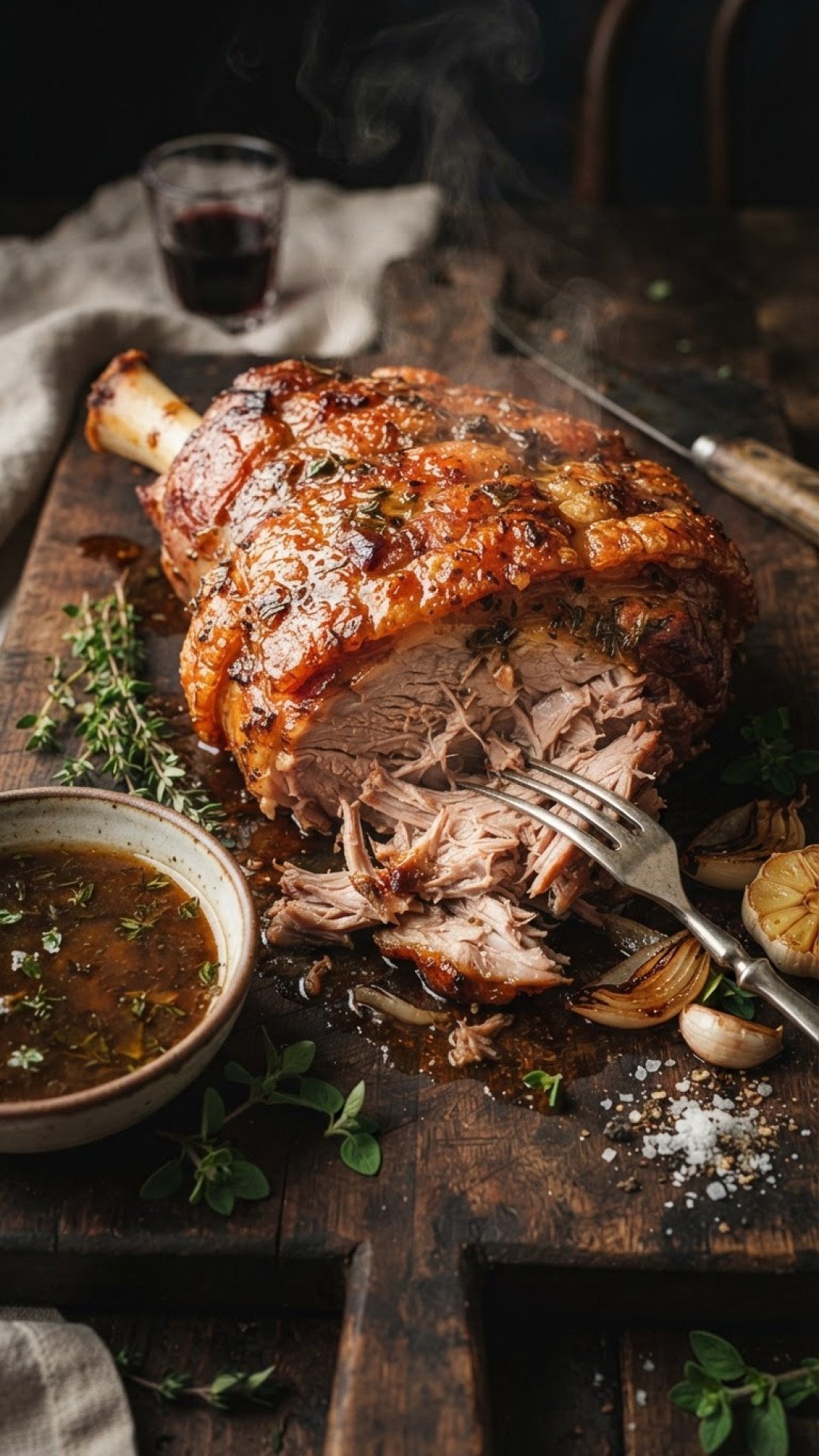
How to Make Slow-Roasted Pork Shoulder Step by Step
Preheat the oven to a high temperature, then place the seasoned pork roast directly on a rack in a roasting pan. This initial blast of heat creates a crust on the outside of the meat.
After the initial roasting, reduce the oven temperature significantly. Add the sliced onions, chicken broth, beer, and chili flakes to the bottom of the pan, then tent the roast loosely with aluminum foil to keep the moisture in and prevent the exterior from drying out.
Every hour or so, spoon the pan liquids over the roast. If the liquid level gets low, add more chicken broth to keep the bottom of the pan from drying out.
The roast is done when it reaches an internal temperature of 170-175 degrees Fahrenheit, when the connective tissues have broken down and the meat shreds easily. Insert a meat thermometer into the thickest part of the meat, avoiding the bone. Let the roast rest for 20-30 minutes after removing it from the oven, then remove any skin and excess fat before carving or shredding.
Full ingredient quantities and detailed instructions are in the recipe card below.
Tips for the Best Results
- Use a Meat Thermometer: Cook the pork to an internal temperature of 170-175°F for maximum tenderness.
- Add More Broth if Needed: If the pan liquid gets too low during the slow roast, add more chicken broth to prevent burning.
Storing, Freezing and Reheating
Once cooled, transfer leftover pork and pan juices to an airtight container. It keeps in the refrigerator for 3 to 4 days. For easy storage, use Basics Glass Food Storage containers, which can also be used for reheating.
To freeze, pack cooled pork (shredded or in larger pieces) with some of the pan juices into freezer-safe bags or containers, removing as much air as possible, for up to 3 months. Thaw overnight in the refrigerator before reheating.
Reheat in the microwave, on the stovetop in a covered pan with a splash of broth, or in the oven until heated through.
Serving Ideas and Variations
- Classic Pulled Pork Sandwiches: Shred the pork and serve it on soft buns with BBQ sauce and coleslaw.
- Tacos or Burritos: Use the shredded pork in tacos, burritos, or quesadillas with salsa, cheese, and avocado.
- Pork and Veggie Bowls: Serve over rice or quinoa with roasted vegetables like sweet potatoes or broccoli.
- Pork Hash: Chop leftover pork and pan-fry it with diced potatoes and onions for breakfast or brunch.
For a change from roast pork at your next comfort-food dinner, try mashed potatoes with sausage.
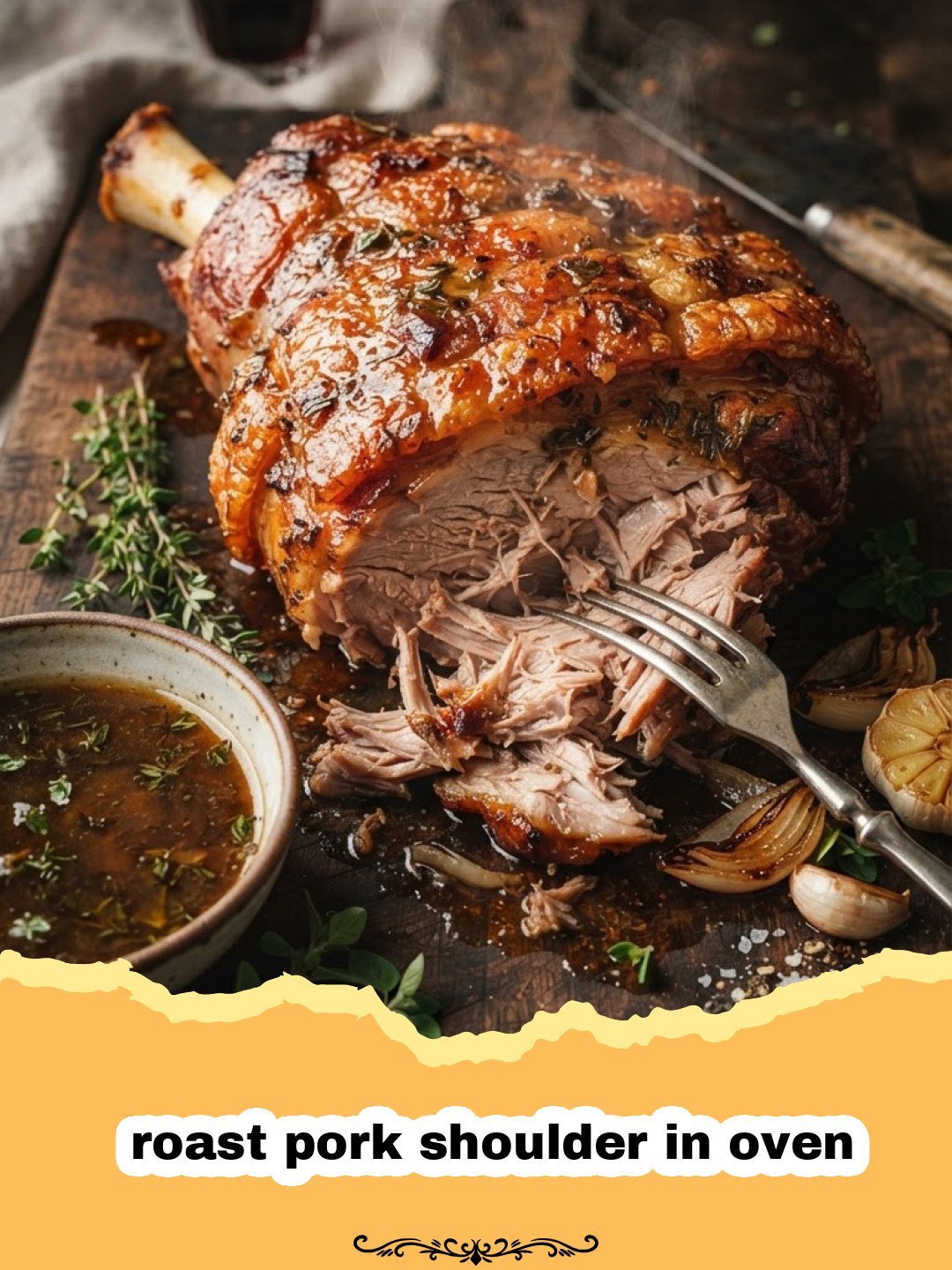
Slow-Roasted Pork Shoulder
Ingredients
Equipment
Method
- Preheat your oven to 450°F.
- Place the pork shoulder on a rack in a large roasting pan.
- In a small bowl, combine the mashed garlic, salt, black pepper, dried thyme, dried oregano, and olive oil to form a rub.
- Generously rub the mixture all over the pork shoulder, ensuring it’s evenly coated.
- Roast the pork, uncovered, in the preheated 450°F oven for 45 minutes to develop a flavorful crust.
- Remove the roasting pan from the oven and carefully decrease the oven temperature to 225°F.
- Add the sliced onions, chicken broth, amber beer, and crushed red pepper flakes to the bottom of the roasting pan, around the pork.
- Baste the pork shoulder with the liquids from the pan, then tent the entire roasting pan loosely with aluminum foil.
- Return the pan to the oven and continue to roast for 7 to 8 hours, or until the internal temperature reaches 170-175°F.
- Check the roast every hour or so, basting it with the pan liquids; add more chicken broth if the liquid level gets too low.
- Once cooked, remove the roast from the oven and let it rest, still tented with foil, for 20-30 minutes.
- Remove the skin and any excess fat before carving or shredding the tender pork for serving.
Notes
Frequently Asked Questions
Can I use a boneless pork shoulder for this recipe?
Yes, you can use a boneless pork shoulder. The cooking time might be slightly shorter, so monitor the internal temperature carefully. The bone adds a bit of extra flavor, but the recipe will still work well without it.
What is the ideal internal temperature for roasted pork shoulder?
For tender, shreddable pork shoulder, aim for an internal temperature of 170-175°F. This ensures the connective tissues have broken down completely, resulting in a fall-apart texture.
Can I freeze leftover roasted pork shoulder?
Absolutely! Leftover roasted pork shoulder freezes very well. Pack it in freezer-safe bags or containers with some of the pan juices to keep it moist, and it can be stored for up to 3 months.
What kind of amber beer should I use?
Any amber beer you enjoy drinking will work well in this recipe. The malty notes complement the pork without overpowering it. If you don’t drink alcohol, you can simply substitute the beer with additional chicken broth or apple cider.
What if I don’t have a roasting rack?
If you don’t have a roasting rack, you can create a makeshift one. Place thick slices of onion, carrots, or celery on the bottom of the roasting pan to elevate the pork slightly, allowing air to circulate and preventing the bottom from getting soggy.
Leave a Reply